Herbs for Pet Grief and Transition
Part 3: Part 3 Gentle plant allies and ethical considerations for end of life and anticipatory grief
This publication on herbs for pet grief is not about treating animals or altering the course of their transition. It’s about supporting those of you who are loving, witnessing, and accompanying an animal companion through the end of life or anticipatory grief.
When a beloved animal is nearing their transition, the emotional and physical toll on the caregiver can be profound. Anxiety, heartache, sleeplessness, and a constant sense of vigilance often arise. Herbal support during this time is meant to steady the nervous system, soften emotional overwhelm, and help the body remain present for what is unfolding. Herbs also help you support yourself after the tidal wave comes.
Herbs care for the caregiver.
These are just some of the herbs I utilized during my profound loss in the Summer of 2025. While I don’t know what medications you’re taking, what your constitution is like, or what support you need, take this publication only as a reference. I encourage you to look up different nervines and get empowered by learning herbal energetics (I actually have a post on that, here).
Ethical use of herbs during pet transition
It is important to name this clearly. The herbs discussed here are intended for human use only. If you’re interested in herbal support for your pet, find a registered canine herbalist or find a intergrated vetinary practioner in your area.
Herbal support during pet loss asks us to slow down rather than intervene. To tend the body that is grieving, not the animal who is already doing the work of transitioning. During these moments of grief, especially the day of the big appointment, it’s important to be present.
I went as far as only relying on herbs for support, and I abstained from alcohol through my grief. I really recommend that for everyone, but that’s for another publication.
Sitting with herbs for pet grief is about:
Reducing nervous system overload
Creating capacity for presence and tenderness
Supporting emotional regulation in the caregiver
Preventing burnout during prolonged anticipatory grief
The goal is not to numb grief, but to make space for it to move gently. It’s to create space, shift, and land back in our bodies. I craved relaxing and nourishing herbs during this time. There were a few I leaned on, but these are the top three, my top three. Remember, your top choices might be different, and that’s beautiful.

Motherwort for pet grief and heart centered Support
Motherwort has long been associated with the heart, not only physically but emotionally and energetically. Its Latin name, Leonurus cardiaca, translates to “lion heart,” reflecting its ability to support courage and steadiness during moments of deep emotional vulnerability.
In the context of pet grief, motherwort is especially relevant when emotions feel overwhelming, contradictory, or difficult to contain. Anticipatory grief often brings waves of love, fear, guilt, tenderness, and dread all at once. Motherwort helps create internal boundaries that allow these feelings to move without flooding the system. Motherwort is a cardiovascular tonic, meaning it tonifies the heart, and helps bring a healthy balance of vitality—both physically and emotionally.
Traditionally, motherwort has been used to support the heart and nervous system during emotional shock, anxiety, and periods of intense relational stress. It is particularly suited for grief that is heart-centered, where there is a sense of ache, tightness, or pressure in the chest alongside emotional urgency.
From a nervous system perspective, motherwort supports regulation without numbing. It does not suppress feeling. Instead, it helps the body stay present with strong emotions while reducing the impulse toward panic, self-judgment, or emotional spiraling.
Motherwort can be especially supportive when pet grief is accompanied by:
Anxiety that sits in the chest
Guilt around decisions or timing
A feeling of emotional urgency or pressure
Difficulty slowing down or resting emotionally
This plant teaches emotional bravery that is soft rather than being forceful. It reminds you that love does not require self-abandonment and that grief can be held with firmness and compassion at the same time.
Motherwort supports the heart that is breaking without asking it to close. It’s able to sit with you in lonely moments, and remind you that you’re needed, and that your emotions matter.
Reishi mushroom for pet grief and sustained resilience
Reishi has a special part in my grief journey. I heard a firsthand story from a herbalist in my town that detailed her experience with it when her husband passed. Her story always stuck with me, and when I experienced my own grief, I knew exactly who to call on. I won’t be able to explain the story of her wandering Shen, as she did, but I hope one day to make a video on it. It really changed my life.
In Traditional Chinese Medicine, reishi mushroom (Ganoderma lingzhi), known as Ling Zhi, is considered a premier tonic for the Shen, often translated as the spirit, mind, or consciousness. The Shen is housed in the heart and is responsible for our sense of presence, emotional balance, clarity, and inner steadiness.
During anticipatory grief and pet loss, the Shen is often disturbed. The mind feels restless. Sleep becomes shallow or elusive. Emotions feel close to the surface or difficult to organize. In TCM, this is sometimes described as a wandering Shen, a state that arises when stress, fatigue, or prolonged emotional strain deplete the heart and blood that normally anchor the spirit.
Reishi is traditionally used to An Shen, meaning to calm and settle the spirit. Rather than sedating or numbing emotion, it offers the Shen a place to rest.
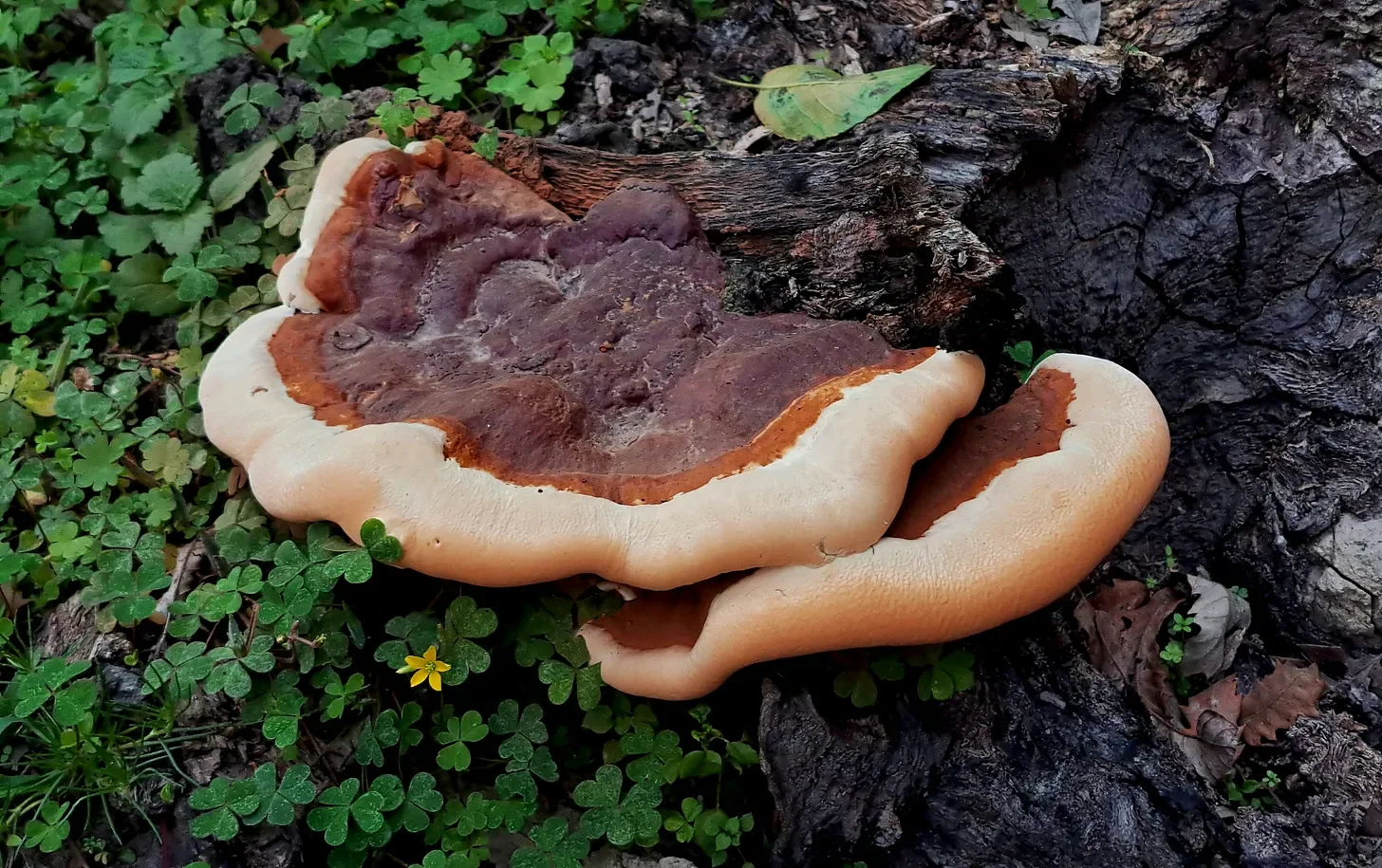
From a TCM perspective, reishi supports the heart by nourishing blood and Yin, creating a stable internal environment where the Shen can settle. When grief has stretched on for weeks or months, this kind of nourishment becomes essential. It helps prevent the emotional volatility, insomnia, and mental exhaustion that often accompany prolonged caregiving and anticipatory loss.
Modern herbalism and research confirm this traditional understanding. Reishi’s bioactive compounds, including triterpenoids and beta-glucans, are known to support nervous system regulation and immune resilience. These compounds help shift the body out of a constant fight or flight state, supporting parasympathetic activation and a sense of internal safety.
(I talked about nervous system activation & grief in part 1 of this series, linked here.)
As an adaptogen, reishi does not push the body in one direction. Instead, it helps the system adapt, building quiet resilience over time. This makes it especially well-suited for pet grief, where the emotional load is heavy and ongoing, rather than acute and brief. I can personally account for this sensation. My body naturally reached for it, even in the throes of grief in the early days. I remembered the story of the wandering Shen and knew reishi was calling me.
Reishi supports you when making hard decisions or living inside the long goodbye. It offers steadiness without urgency and grounding without suppression.
In this way, reishi teaches an important grief lesson. You do not need to hold yourself together by force. You need support that allows your spirit to land.
Passionflower for pet grief and nervous system soothing
Passionflower (Passiflora incarnata) is a gentle yet profound ally for grief that lives in the nervous system. It is particularly well-suited for the kind of mental restlessness that accompanies pet loss, where the body is exhausted but the mind cannot stop moving. I reach for this herb especially during nights when the mental chatter just won’t quit.
Anticipatory grief often creates a state of constant vigilance. The nervous system stays alert, scanning for changes, decisions, or signs of decline. Even after loss, this vigilance can persist, showing up as racing thoughts, disrupted sleep, or a sense that the body cannot fully relax.
Passionflower works by supporting the parasympathetic nervous system, helping the body shift out of chronic alertness and into rest. It is especially helpful when grief manifests as:
Nighttime anxiety or insomnia
Mental looping or replaying scenarios
Exhaustion paired with an inability to settle
Emotional tension that feels stuck rather than expressive
Unlike stronger sedatives, passionflower does not override awareness. It’s perfect for the “tired but wired” person. It allows the mind to soften while keeping emotional presence intact. This makes it particularly appropriate for grief work, where staying connected to feeling is important, but becoming overwhelmed is not supportive.
Emotionally, passionflower offers spaciousness, just like its bloom. It helps create a pause between sensation and reaction, giving the grieving person room to breathe, feel, and rest without being overtaken by the intensity of the moment.
Passionflower reminds the nervous system that it is safe to rest, even in the presence of sorrow.
Supporting yourself is part of loving them
Asking for support from herbs for pet grief is not selfish or indulgent. It is an act of care that allows you to remain grounded, present, and emotionally available during one of the most intimate transitions you may ever witness. It’s also not a “quick fix” and doesn’t resolve the uncomfortable feelings that come up. It’s actually not a fix at all. But the herbs have an innate knowledge that they’re usually happy to share with you. I’ve worked with herbs myself in grief, and clients in times of change and transition. The folks who work with herbs, paired with their constitution, assimilate the change in a much deeper way. I encourage everyone going through a time of departure to find an herbal ally, even one. It brings you back to Earth and connects you with yourself.
Above all else, always remember:
You are part of this experience too.
Your nervous system deserves support.
Your body is carrying this loss as it unfolds.
Grief asks for accompaniment, not solutions. When herbs are chosen thoughtfully, they can support the human heart through love, loss, and the quiet work of letting go.
These plant allies are not here to take grief away. They are here to help you stay with it, gently and honestly, as love changes form.
Continuing care for yourself during pet loss
If the weight of pet loss feels too heavy to navigate alone, compassionate, whole-body support is available.
I offer care that honors the depth of your bond and supports your nervous system through loss. Support may include:
One-on-one pet grief support sessions via A Bond Beyond Words, exploring soul bonds, transitions, and grief cycles
Nervous system regulation through breathwork and gentle movement (coming soon)
Herbal guidance to support heartache, sleep disruption, anxiety, and exhaustion (added onto my 1:1 readings)
Ritual, remembrance, and honoring practices for your pet’s life
Click here to book "A Bond Beyond Words"
This work is slow, respectful, and trauma-informed. There is no timeline and no pressure to “move on.” If you long for support that sees your pet grief as real and deserving of care, I invite you to explore working together.
I’ve worked alongside animals for well over 10 years in veterinary medicine, animal care, and animal advocacy. I’ve sat alongside over 100 people while they walked their animal companions to the other side, said their final goodbyes, or asked me to do it for them when they couldn’t be present.
Oftentimes, you have a general idea when this day of loss might come. Sometimes it’s a hospice situation, and other times, it’s more emergent. Having someone on your team who understands how health can progress or how emergencies happen makes a difference. The set and setting change everything for how we remember these final moments. And, how we remember ourselves while we walk the path of departure.
Click here for personalized support
Writing Seasons of Self on Substack is one of my favorite parts of my week! It also takes me an embarrassing number of hours to put these together. If this newsletter has become a cozy ritual for you, here are a few easy ways to support this free space:
💚 Tap the heart or leave a comment — it truly helps!
📱 Screenshot your fave part & share on IG stories tagging @the.cosmic.craft
💫 Share this blog post with anyone who may enjoy it!
📌 Want to partner with me? Let’s chat!
About the author

Hi, I’m Courtney, the voice behind Seasons of Self and the owner of The Cosmic Craft. I’ve been featured in printed publications & popular online platformslike Yahoo!, Bustle, and Pride. I am an astroherbalist, educator, and guide offering whole body support for life’s moments of departure. My work centers on grief, change, and the tender thresholds we cross when something we love ends or transforms, including the loss of animal companions, relationships, identities, and familiar ways of living. Through astrology, plant wisdom, breathwork, and gentle movement, I help people slow down, listen to their bodies, and learn how to stay present with what is leaving and what remains.
Related Reading
Grieving an Animal Companion Is Real Grief > Click here
When Your Body Misses Them Before Your Mind Does: https://thecosmiccraft.substack.com/p/pet-loss-and-when-your-body-misses
Pet Grief FAQ: https://www.thecosmiccraft.com/blog/pet-grief-faq